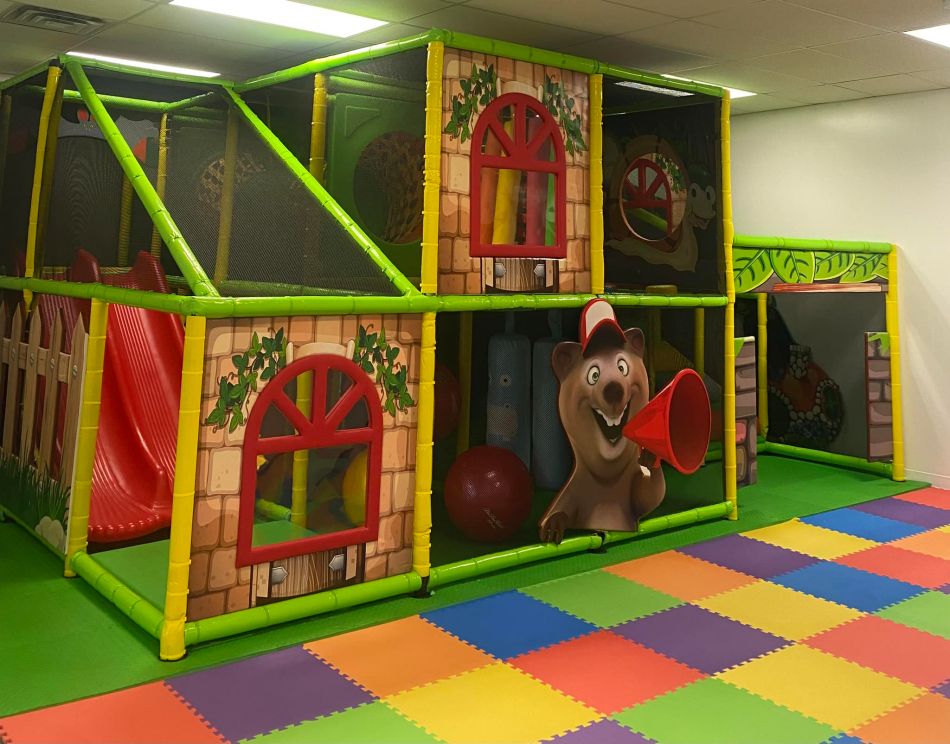
Indoor playground equipment has evolved significantly over the past decade, transforming from simple play structures into innovative environments that encourage creativity, learning, and physical development. Today, parents, schools, childcare centers, shopping malls, and entertainment venues expect more than just slides and climbing frames. They want safe, engaging, and educational spaces that inspire children to stay active while having fun.
Modern indoor playground equipment is designed with children’s changing needs in mind. From interactive technology to eco-friendly materials, manufacturers continue introducing new ideas that improve the overall play experience. Understanding these trends can help businesses, schools, and parents make informed decisions when creating exciting indoor play environments.
The Growing Demand for Innovative Indoor Playground Equipment
Children spend more time indoors than ever before due to changing lifestyles, weather conditions, and urban living. This has increased the demand for indoor playground equipment that offers exciting activities without requiring large outdoor spaces.
Today’s playgrounds focus on combining entertainment with education. Instead of simply providing a place to burn energy, they encourage problem-solving, teamwork, imagination, and physical coordination. Businesses investing in high-quality indoor playground equipment also benefit by attracting more families and increasing customer satisfaction.
Interactive Technology Is Changing Play
One of the biggest trends in indoor playground equipment is the integration of interactive technology. Digital games, projection walls, motion sensors, and touch-sensitive activities create immersive experiences that blend physical movement with digital entertainment.
Interactive play systems encourage children to jump, run, climb, and solve challenges while engaging with colorful digital displays. Unlike traditional screen time, these systems promote active participation rather than passive viewing.
Technology-enhanced indoor playground equipment can also adapt to different age groups, making the experience enjoyable for toddlers as well as older children.
Safety Continues to Be the Highest Priority
Modern indoor playground equipment emphasizes advanced safety features without reducing the excitement of play. Manufacturers now use improved padding, rounded edges, anti-slip surfaces, enclosed climbing structures, and impact-absorbing flooring to reduce the risk of injuries.
Parents feel more comfortable allowing children to explore independently when they know the equipment has been designed with strict safety standards in mind. Regular maintenance and high-quality materials further increase the reliability of modern playground systems.
Safety innovations also include better visibility for supervisors, making it easier for parents and staff to monitor children throughout the play area.
Soft Play Areas Remain Extremely Popular
Soft play continues to dominate the indoor playground industry because it provides a safe environment for younger children. Soft indoor playground equipment includes foam climbing blocks, tunnels, ball pits, padded slides, obstacle courses, and interactive play panels.
These areas allow toddlers to develop balance, coordination, and confidence while minimizing injury risks. Bright colors and themed designs also encourage imaginative play and sensory exploration.
Many indoor facilities now separate soft play zones by age group to ensure every child enjoys an appropriate and safe experience.
Inclusive Design Creates Better Play Experiences
Accessibility has become a major trend in indoor playground equipment design. Modern playgrounds aim to include children of all abilities by incorporating ramps, sensory activities, wheelchair-accessible features, and adaptive play equipment.
Inclusive play environments encourage social interaction among children with different physical and developmental abilities. They create opportunities for teamwork, communication, and shared experiences while ensuring no child feels excluded.
Many organizations now prioritize inclusive indoor playground equipment because it promotes equality and supports diverse communities.
Nature-Inspired Playground Designs
Although indoor playgrounds are located inside buildings, many designers are bringing elements of nature into their layouts. Wood-inspired finishes, tree-themed climbing structures, animal decorations, and natural color palettes help create calming environments.
Nature-inspired indoor playground equipment encourages imaginative adventures while providing a relaxing atmosphere for both children and parents. These designs also reduce the overly artificial appearance often associated with traditional indoor play centers.
Adding greenery, natural textures, and organic shapes creates visually appealing spaces that feel welcoming and comfortable.
Multi-Level Adventure Structures
Large multi-level playgrounds are becoming increasingly common in family entertainment centers and commercial venues. These complex indoor playground equipment systems maximize available space by building vertically rather than horizontally.
Children can enjoy multiple slides, climbing walls, rope bridges, tunnels, obstacle courses, crawl spaces, and lookout platforms within one connected structure.
Multi-level playgrounds offer endless exploration opportunities, encouraging longer play sessions and greater physical activity.
Educational Play Elements
Learning through play is one of the strongest trends influencing indoor playground equipment today. Educational panels, puzzles, alphabet games, number challenges, shape recognition, and STEM-inspired activities are now integrated into many playground designs.
These interactive learning stations improve cognitive development while keeping children entertained. Instead of separating education from recreation, modern playgrounds combine both into a single engaging experience.
Schools and childcare centers especially value educational indoor playground equipment because it supports classroom learning objectives while promoting physical activity.
Sustainable Materials Are Becoming Standard
Environmental awareness has encouraged manufacturers to adopt eco-friendly production methods. Many indoor playground equipment suppliers now use recycled plastics, responsibly sourced wood, non-toxic coatings, and energy-efficient manufacturing processes.
Sustainable materials provide long-lasting durability while reducing environmental impact. Businesses also benefit by demonstrating their commitment to environmentally responsible practices, which appeals to many modern families.
Choosing environmentally friendly indoor playground equipment contributes to healthier indoor environments and supports long-term sustainability goals.
Themed Playgrounds Enhance Imagination
Themed playgrounds continue to grow in popularity because they create memorable experiences. Pirates, jungles, castles, outer space, underwater adventures, dinosaurs, and fantasy worlds transform ordinary play structures into immersive environments.
Themed indoor playground equipment encourages storytelling, role-playing, and creative thinking while making visits more exciting for children.
Many commercial playground operators regularly update themes to encourage repeat visits and maintain customer interest.
Modular Designs Offer Greater Flexibility
Modular indoor playground equipment allows owners to customize layouts based on available space, budget, and target age groups. Individual components can be added, removed, or rearranged as needs change.
This flexibility makes expansion easier without replacing the entire playground. Businesses can introduce new attractions over time while maintaining a fresh and exciting play experience.
Modular systems are especially valuable for schools, daycare centers, and family entertainment facilities planning future growth.
Sensory Play Is Receiving More Attention
Sensory-focused indoor playground equipment supports children’s cognitive, emotional, and physical development by engaging multiple senses simultaneously.
Interactive lighting, textured surfaces, musical elements, moving components, visual stimulation, and tactile panels provide meaningful experiences for children with varying sensory needs.
Sensory play areas benefit all children while offering additional support for those with sensory processing challenges or developmental differences.
Fitness-Based Play Equipment
As childhood health becomes a growing concern, indoor playground equipment increasingly promotes active movement. Climbing challenges, balance beams, ninja-style obstacle courses, monkey bars, agility stations, and rope courses encourage children to build strength, endurance, flexibility, and coordination.
Fitness-inspired play keeps children physically engaged while making exercise feel enjoyable rather than structured. These activities help develop healthy habits from an early age.
Parents appreciate playgrounds that encourage active lifestyles while reducing sedentary behavior.
Smart Space Utilization
Urban environments often have limited indoor space, making efficient design essential. Modern indoor playground equipment uses creative layouts that maximize every square foot.
Vertical climbing structures, compact obstacle courses, wall-mounted activities, suspended play elements, and multifunctional equipment allow facilities to offer diverse experiences without requiring massive buildings.
Efficient space planning also improves visitor flow, reduces congestion, and enhances overall safety.
Customization Is Becoming More Common
Businesses increasingly seek unique indoor playground equipment that reflects their branding, customer demographics, and available space.
Manufacturers now offer customized colors, logos, themes, layouts, and activity combinations tailored to each client’s requirements. This personalized approach helps entertainment centers stand out from competitors while delivering memorable experiences.
Customization also allows schools and childcare centers to create educational environments aligned with their learning philosophies.
Conclusion
The future of indoor playground equipment is centered on innovation, safety, inclusivity, education, and sustainability. Today’s play spaces are designed to nurture children’s physical health, creativity, cognitive development, and social interaction while providing enjoyable experiences for families.
As technology advances and children’s needs continue to evolve, indoor playground equipment will become even more engaging, adaptable, and educational. Whether installed in schools, shopping centers, childcare facilities, or family entertainment venues, modern playground systems provide lasting value by creating exciting environments where children can learn, explore, and grow through active play.
Investing in high-quality indoor playground equipment is no longer just about entertainment. It is about creating meaningful experiences that support healthy development while meeting the expectations of today’s parents, educators, and communities. By embracing these emerging trends, organizations can build play spaces that remain relevant, enjoyable, and beneficial for years to come.
