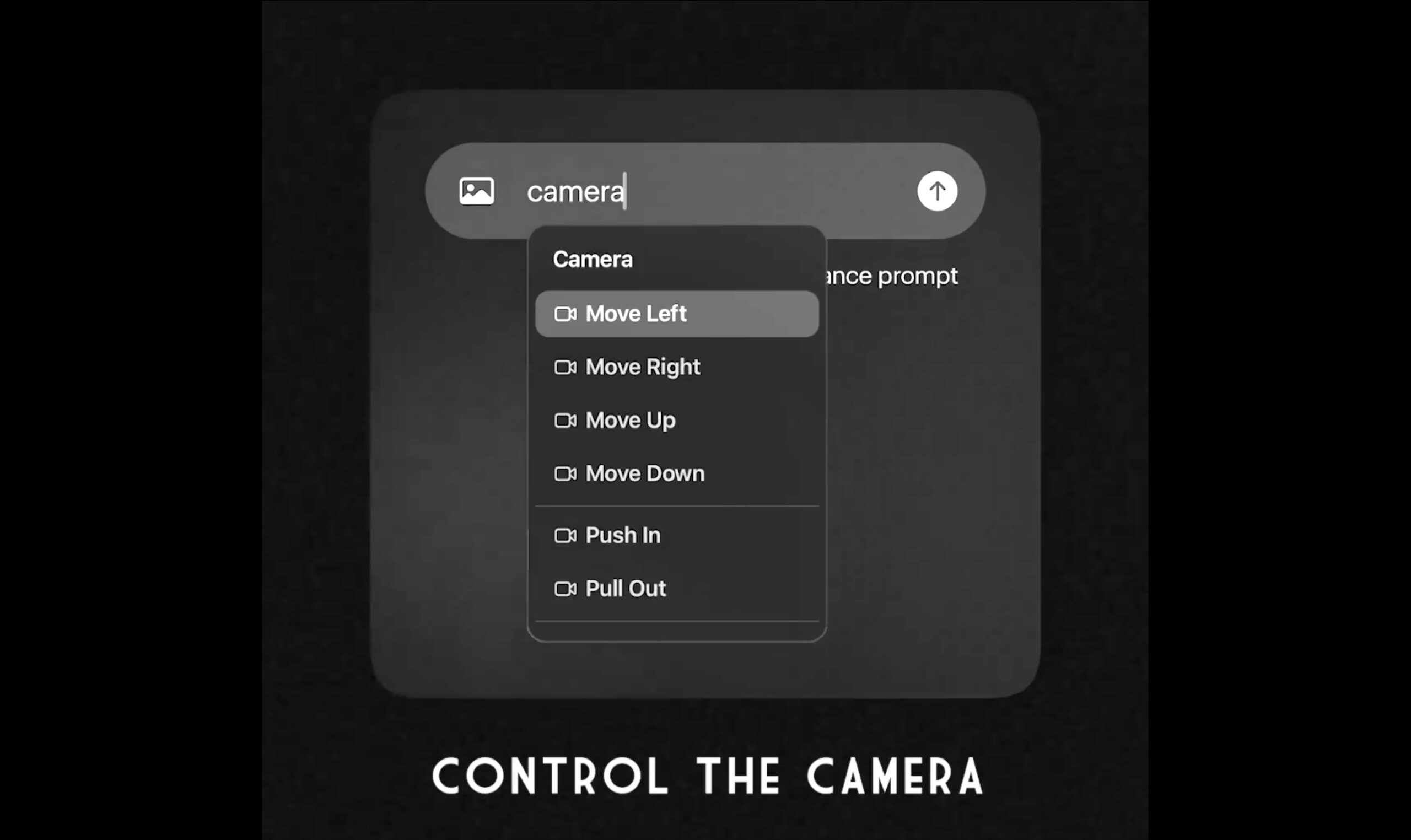
Artificial intelligence is transforming the way videos are imagined, created, edited, and shared. Traditional video production often requires cameras, lighting equipment, actors, editing software, visual effects, and considerable time. AI video technology introduces a different approach by allowing creators to turn written ideas, images, and creative concepts into dynamic video content. Among the tools contributing to this transformation, Luma dream machine has attracted attention for its ability to support fast and flexible AI-assisted video creation.
Understanding an AI video workflow means looking beyond simply generating a clip. A successful workflow involves planning an idea, developing visual instructions, generating footage, reviewing results, refining prompts, and organizing the final material. Luma dream machine can become an important part of this process, especially for creators who want to experiment with visual storytelling without relying entirely on traditional production methods.
What Is an AI Video Workflow?
An AI video workflow is a structured process that uses artificial intelligence to assist with different stages of video production. Instead of beginning with a physical camera setup, creators can start with an idea or written description. The AI system interprets the instructions and generates visual content based on the requested scene, movement, atmosphere, and style.
The workflow can begin with brainstorming and continue through scripting, visual development, generation, selection, editing, and publishing. The main advantage is flexibility. Creators can test multiple ideas quickly and determine which visual direction works best before investing significant time in traditional production.
Luma dream machine fits naturally into this workflow because it can help transform creative descriptions into video concepts. Rather than treating AI as a replacement for creativity, users can treat it as a production assistant that helps explore possibilities.
Starting With a Clear Creative Concept
Every effective video workflow starts with a clear concept. Before generating anything, creators should determine what they want the audience to see and feel. A simple idea can be more useful than an overly complicated description because it gives the production process a strong foundation.
For example, a creator might imagine a futuristic city at sunset, a character walking through a mysterious forest, or a cinematic product presentation. Defining the subject, environment, action, mood, and visual style can make the generation process more organized.
Planning also reduces unnecessary experimentation. When creators know the purpose of a scene, they can write prompts that are more focused and evaluate generated clips according to specific goals.
Developing Effective Prompts
Prompt writing is one of the most important skills in an AI video workflow. A prompt communicates the desired visual result to the AI system. Strong prompts usually provide information about the subject, environment, movement, camera perspective, lighting, atmosphere, and overall visual style.
Instead of writing a vague instruction such as “create a city video,” a creator could describe a futuristic city filled with glowing buildings, moving vehicles, reflective streets, and soft evening light. Additional information about camera movement and cinematic atmosphere can further shape the result.
With Luma dream machine, experimenting with different descriptions can help users understand how small changes influence generated footage. Prompt refinement becomes an iterative process in which each generation provides useful information for the next attempt.
From Text Ideas to Visual Scenes
One of the most interesting aspects of AI video creation is the ability to move from written concepts toward visual scenes without conventional filming. This can be valuable during the early stages of filmmaking, advertising, animation, and social media production.
A creator can use generated scenes to explore possible camera angles, environments, character actions, and visual moods. Even when the final video requires additional editing, these early generations can help establish a visual direction.
This approach can also benefit writers and directors. A written description that exists only in the imagination can be difficult to communicate to a production team. AI-generated video concepts can provide a visual reference that makes creative discussions easier.
Reviewing and Refining Generated Clips
AI generation is rarely a one-step process. A first result may capture the general concept while missing important details. Characters may move differently than expected, camera motion may feel unnatural, or the atmosphere may not match the intended mood.
Reviewing each result carefully is therefore an essential part of the workflow. Creators should identify what works and what needs improvement. Instead of completely changing the concept after every generation, they can make targeted adjustments.
For example, if the environment looks good but the camera movement is too fast, the next prompt can focus more specifically on a slower cinematic movement. If the lighting feels incorrect, the description can emphasize the desired time of day, brightness, or atmosphere.
This cycle of generating, reviewing, and refining allows users to gradually approach the intended result.
Combining AI Generation With Traditional Editing
AI video generation does not have to represent the entire production process. In many cases, the strongest workflow combines AI-generated footage with conventional editing techniques.
Creators can place generated clips into editing software, arrange scenes into a narrative, adjust timing, add music, incorporate voice-over, apply transitions, and create titles. Color correction and sound design can also improve the final presentation.
This hybrid approach gives creators greater control. AI can handle certain visual development tasks while traditional tools remain useful for storytelling, pacing, sound, and final assembly.
Maintaining Visual Consistency
Consistency can be one of the biggest challenges in AI-assisted video creation. When several clips are generated independently, differences in appearance, movement, lighting, or character details may become noticeable.
A well-organized workflow can reduce these inconsistencies. Creators should establish a visual language before producing multiple scenes. Decisions about color, atmosphere, camera style, setting, and character appearance should remain as consistent as possible.
Keeping prompts organized can also help. Saving successful descriptions and noting which instructions produced useful results makes it easier to reproduce a particular creative direction.
Using AI for Different Types of Content
AI video workflows can support many forms of content. Independent filmmakers can use generated footage for concept development and experimental scenes. Marketers can explore promotional visuals and campaign concepts. Social media creators can produce short visual stories and attention-grabbing clips.
Educators may also use AI-generated scenes to illustrate concepts that are difficult to demonstrate through conventional footage. Artists can experiment with abstract environments, surreal imagery, and imaginative storytelling.
Luma dream machine can therefore be approached as a flexible creative tool rather than something limited to one category of video production.
Improving Efficiency Through Iteration
One of the major benefits of an AI workflow is the ability to iterate quickly. Traditional production may require extensive preparation before a single scene can be filmed. AI-assisted workflows can allow creators to explore several visual directions before choosing one.
However, speed should not replace planning. Producing many clips without a clear objective can create unnecessary work. Efficient workflows combine rapid experimentation with deliberate decision-making.
Creators can establish stages such as concept development, prompt creation, generation, evaluation, refinement, and final editing. This structure keeps the process manageable while allowing room for experimentation.
The Human Role in AI Video Creation
Although artificial intelligence can generate visual content, human creativity remains central to the process. AI systems respond to instructions, but creators determine the story, emotional purpose, aesthetic direction, and audience experience.
The most effective users understand that AI is a tool for exploration rather than an automatic substitute for creative judgment. Choosing the right result, identifying weaknesses, developing a compelling narrative, and combining scenes into a meaningful experience still require human decision-making.
This makes AI video workflows particularly interesting. They do not eliminate creativity; instead, they can change how creativity is translated into visual media.
Building a Repeatable Workflow
As creators gain experience, they can develop repeatable processes that make AI video production easier. A basic workflow might begin with a written concept, followed by scene planning and prompt development. Generated clips can then be reviewed, refined, organized, and combined during editing.
Keeping records of successful prompts, visual styles, and generation strategies can make future projects more efficient. Over time, creators can build a personal library of techniques that match their preferred creative style.
The goal is not simply to generate more footage. It is to develop a workflow that consistently produces useful material while leaving enough flexibility for creative discovery.
The Future of AI Video Workflows
AI video technology is still developing, and future workflows are likely to become more integrated. Generation, editing, visual consistency, sound, animation, and storytelling may increasingly connect within broader creative environments.
For creators, this means learning how to communicate ideas clearly to AI systems will become an increasingly valuable skill. At the same time, traditional knowledge of storytelling, cinematography, editing, and design will remain important because these skills help creators evaluate and shape generated material.
Luma dream machine represents part of this broader shift toward accessible AI-assisted video production. By combining creative planning, thoughtful prompting, experimentation, evaluation, and editing, users can create workflows that turn ideas into increasingly sophisticated visual experiences.
Conclusion
Understanding AI video workflows is about more than learning how to generate a clip. It involves developing a complete creative process that connects ideas, prompts, visual experimentation, refinement, and final editing. Luma dream machine can play a useful role within that process by helping creators explore visual concepts and develop footage from imaginative instructions.
The strongest results come from combining artificial intelligence with human creativity. When creators plan carefully, experiment purposefully, refine their instructions, and edit with a clear storytelling goal, AI video tools can become powerful additions to the production process. As the technology continues to evolve, understanding these workflows will help creators make better use of AI while preserving the creative decisions that make every video distinctive.
