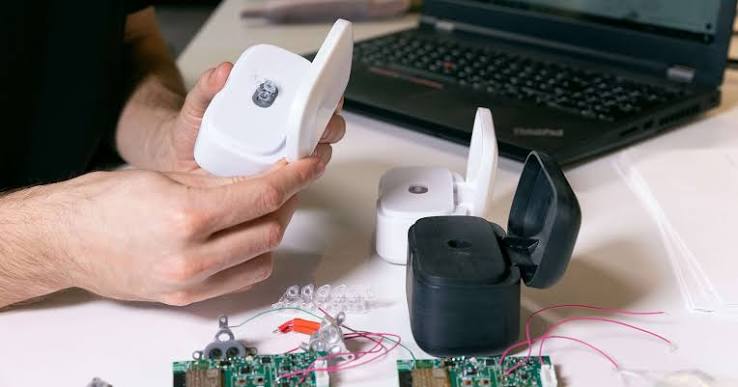
Developing a medical device requires careful planning, precision, and extensive testing. From an initial idea to a functional product, manufacturers must consider design, usability, safety, materials, and regulatory requirements. A medical device rapid prototype helps engineers and designers transform concepts into physical models quickly, allowing them to evaluate designs and identify potential problems before moving into expensive production stages.
Rapid prototyping has become an important part of modern medical device development. It allows teams to create realistic prototypes, test different design concepts, improve functionality, and shorten development timelines. Whether developing surgical instruments, diagnostic equipment, wearable devices, or custom medical components, prototyping provides valuable insights throughout the product development process.
Understanding Medical Device Rapid Prototyping
Medical device rapid prototyping is the process of creating physical representations of a medical product using advanced manufacturing technologies. These prototypes can range from simple visual models to highly functional components that closely resemble the final product.
Common technologies include 3D printing, CNC machining, injection molding, vacuum casting, and other advanced manufacturing methods. The selected process depends on the device’s design, required accuracy, material requirements, testing objectives, and development stage.
Unlike traditional manufacturing approaches, rapid prototyping makes it possible to produce and modify designs relatively quickly. Engineers can test an idea, discover weaknesses, make adjustments, and produce another prototype without completely restarting the development process.
From Concept to Prototype
The first stage of medical device development begins with an idea or identified healthcare need. Designers and engineers define the intended purpose of the device, its target users, operating environment, and important functional requirements.
Computer-aided design (CAD) software is commonly used to create a detailed digital model. The design can include dimensions, shapes, moving components, connection points, and other important characteristics.
Once the digital design is complete, rapid prototyping technology can convert the virtual model into a physical prototype. This gives development teams an opportunity to examine the device in a real-world form rather than relying only on computer simulations.
Selecting the Right Prototyping Technology
Choosing the appropriate manufacturing method is an important part of the prototyping process. Different technologies offer different advantages.
3D printing is widely used because it can produce complex geometries and customized components without requiring expensive tooling. It is particularly useful during early development when designs may change frequently.
CNC machining can provide highly accurate prototypes made from materials such as plastics, aluminum, and other engineering materials. It is useful when developers need prototypes with strong mechanical properties.
Vacuum casting and low-volume molding can be valuable when teams need multiple prototypes with properties that are closer to production parts. The right method depends on the purpose of the prototype and the requirements of the medical device.
Testing Design and Functionality
One of the primary advantages of a medical device rapid prototype is the ability to test functionality before committing to mass production. Engineers can examine whether components fit correctly, whether moving parts operate smoothly, and whether the device performs its intended function.
For devices used by healthcare professionals, prototypes can also help evaluate ergonomics and usability. A surgical instrument, for example, should be comfortable to hold and easy to operate. A prototype allows designers to assess grip, button placement, size, weight, and overall handling.
Testing can reveal problems that may not be obvious in a digital design. Identifying these issues early can reduce development costs and prevent significant redesigns later.
Improving Safety and Reliability
Medical devices must meet high expectations for safety and reliability. Prototyping helps development teams identify potential design weaknesses before a product reaches later development stages.
Physical prototypes can be subjected to appropriate mechanical, functional, and environmental testing depending on the device. Engineers may evaluate strength, durability, component connections, movement, and resistance to expected operating conditions.
Prototype testing does not replace formal validation, verification, or regulatory testing. Instead, it provides an important development step that helps teams refine the design and prepare for more comprehensive testing.
Materials Matter in Medical Prototypes
Material selection is another critical consideration. A prototype made from an unsuitable material may provide an inaccurate representation of the final product.
Depending on the application, developers may consider engineering plastics, medical-grade materials, metals, elastomers, or other specialized options. Important characteristics can include strength, flexibility, chemical resistance, durability, and compatibility with the intended application.
During early design stages, an inexpensive material may be sufficient for evaluating shape and fit. Later prototypes may require materials that more closely represent the intended production material.
Reducing Development Time and Costs
Traditional product development can involve lengthy tooling and manufacturing processes. When a design changes, new tooling may be required, increasing both cost and development time.
Rapid prototyping reduces this burden by allowing teams to create new versions relatively quickly. Designers can make several iterations and compare different solutions before finalizing the product.
Although prototyping requires an investment, early identification of design problems can help prevent more expensive changes during production. This makes rapid prototyping a valuable strategy for controlling development risks.
Supporting Regulatory and Manufacturing Preparation
Medical device development involves more than creating a functional design. Developers must also consider applicable quality systems, documentation, testing, and regulatory requirements.
A well-organized prototyping process can generate useful information about the device’s design history and development decisions. Prototype testing can help teams understand how the product performs and what improvements are necessary before advancing toward final manufacturing and regulatory stages.
Manufacturing considerations should also be introduced early. A prototype that works well but is extremely difficult or expensive to manufacture may require further redesign. Design-for-manufacturing principles can help create a product that is both functional and practical to produce.
The Role of Iteration in Medical Device Development
Successful medical device development rarely happens with a single prototype. Iteration is one of the most important benefits of rapid prototyping.
A typical development cycle may involve designing a component, producing a prototype, testing it, identifying problems, modifying the design, and producing another version. Each iteration provides additional information that improves the product.
This process allows teams to make evidence-based design decisions rather than relying entirely on assumptions. Over time, prototypes become increasingly refined and closer to the intended final product.
Moving From Prototype to Functional Product
After multiple rounds of testing and improvement, the design can progress toward a functional product. At this stage, developers may focus on production-ready materials, manufacturing processes, quality control, assembly, and final testing.
The prototype serves as an important bridge between an idea and a manufacturable medical device. It helps demonstrate functionality, communicate design concepts to stakeholders, and identify areas requiring improvement.
A successful transition requires close collaboration among designers, engineers, manufacturers, quality specialists, and other professionals involved in the development process.
Conclusion
A medical device rapid prototype provides a practical way to move from an initial concept toward a functional and refined medical product. By allowing teams to create physical models quickly, test designs, improve usability, evaluate materials, and identify problems early, rapid prototyping can make medical device development more efficient.
From CAD design and prototype production to testing and iterative improvements, every stage contributes to creating a safer and more effective product. When combined with appropriate engineering practices, quality controls, and regulatory planning, rapid prototyping can help medical device developers turn innovative ideas into functional products ready for the next stages of development.
