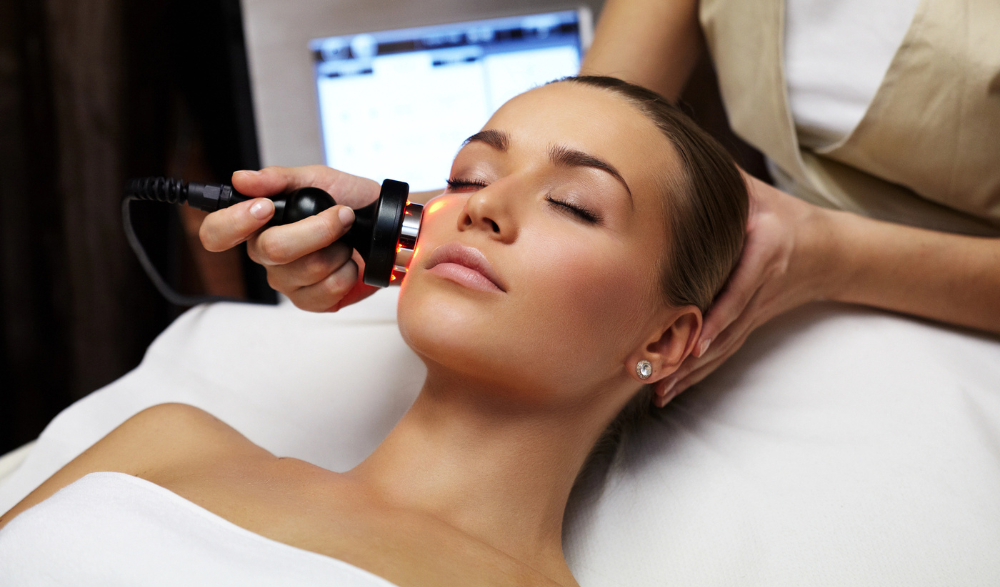
Laser Skin Resurfacing is one of the most effective cosmetic treatments for improving skin texture, reducing wrinkles, minimizing scars, and treating pigmentation issues. However, while the procedure itself delivers impressive results, the recovery period and aftercare play a crucial role in achieving smooth, long-lasting outcomes. Understanding Laser Skin Resurfacing recovery time and following proper aftercare tips can significantly enhance healing and reduce the risk of complications.
This article explains what to expect after treatment, how long recovery takes, and the best practices to ensure optimal skin healing after Laser Skin Resurfacing.
Laser Skin Resurfacing Recovery Time Overview
Recovery time after Laser Skin Resurfacing varies depending on the type of laser used, skin condition, and treatment intensity. Generally, there are two main types of lasers used: ablative and non-ablative.
Ablative Laser Skin Resurfacing removes the outer layers of skin, so recovery typically takes longer, ranging from 7 to 21 days. During the first few days, patients may experience redness, swelling, and a sunburn-like sensation. The skin gradually forms a protective layer before new skin appears.
Non-ablative Laser Skin Resurfacing is less invasive and works beneath the skin surface. Recovery time is shorter, usually between 2 to 7 days, with mild redness and slight sensitivity.
What to Expect Day by Day
In the first 24–48 hours after Laser Skin Resurfacing, the skin may feel warm, tight, and swollen. Redness is most intense during this stage.
By days 3–5, the skin may start to peel or flake as damaged layers shed naturally. It is important not to pick or scratch the skin.
By the end of the first week, most visible irritation begins to decrease, and fresh skin starts to appear.
Full healing and final results from Laser Skin Resurfacing may take several weeks to a few months as collagen production continues improving skin texture.
Factors Affecting Laser Skin Resurfacing Recovery Time
Several factors influence how quickly the skin heals after Laser Skin Resurfacing. Understanding these can help set realistic expectations.
The type of laser used is the most significant factor. Ablative treatments require longer downtime compared to fractional or non-ablative methods.
Skin type and sensitivity also play a role. Individuals with sensitive skin may experience longer redness or irritation.
Treatment depth determines how much skin tissue is affected. Deeper treatments provide more dramatic results but require longer recovery.
Age and overall health can impact healing speed. Younger skin generally regenerates faster, while hydration levels and nutrition also contribute to recovery efficiency.
Proper aftercare significantly reduces healing time and improves results from Laser Skin Resurfacing.
Aftercare Tips for Best Results from Laser Skin Resurfacing
Following a strict aftercare routine is essential to protect the skin and ensure smooth healing after Laser Skin Resurfacing.
Keep the Skin Clean and Moisturized
Gently cleansing the skin with a mild, fragrance-free cleanser helps prevent infection. Keeping the skin hydrated with a recommended healing ointment or moisturizer supports new skin formation. Avoid harsh skincare products during the recovery period.
Protect Your Skin from Sun Exposure
Sun protection is critical after Laser Skin Resurfacing. Newly treated skin is extremely sensitive to UV rays. Always apply a broad-spectrum sunscreen with SPF 30 or higher once the skin has healed enough for application. Wearing a wide-brimmed hat and avoiding direct sunlight helps prevent pigmentation issues.
Avoid Picking or Scratching the Skin
As the skin heals, peeling and flaking are normal. However, picking at the skin can cause scarring or infection. Let the skin shed naturally to ensure the best results from Laser Skin Resurfacing.
Stay Hydrated and Eat Nutrient-Rich Foods
Hydration plays a major role in skin recovery. Drinking plenty of water and consuming foods rich in vitamins A, C, and E supports collagen production and speeds up healing.
Avoid Makeup and Harsh Products
Do not apply makeup until your doctor approves it, usually after several days or a week depending on healing progress. Avoid retinoids, exfoliants, and acidic skincare products during recovery.
Follow Your Doctor’s Instructions
Every Laser Skin Resurfacing treatment is customized. Following your dermatologist’s or skincare specialist’s instructions ensures safe healing and reduces complications.
Common Side Effects and Healing Signs
After Laser Skin Resurfacing, it is normal to experience certain temporary side effects.
Redness and swelling are the most common and usually subside within a few days to weeks. Mild itching or tightness may occur as the skin heals.
Peeling or crusting is part of the natural regeneration process and indicates that damaged skin is being replaced.
Temporary sensitivity to sunlight is expected, so sun protection is essential.
Positive healing signs include gradual reduction in redness, smoother skin texture, and improved skin tone over time.
When to Contact a Doctor
Although Laser Skin Resurfacing is generally safe, certain symptoms may require medical attention.
If you experience severe pain, excessive swelling, pus formation, or signs of infection, contact your dermatologist immediately. Prolonged redness or unusual skin discoloration should also be evaluated.
Timely medical support ensures safe recovery and protects your final results.
Conclusion
Laser Skin Resurfacing is a powerful solution for rejuvenating the skin, but achieving the best results depends heavily on proper recovery and aftercare. Understanding Laser Skin Resurfacing recovery time helps set realistic expectations, while following aftercare instructions ensures smoother healing and long-lasting improvements.
With the right care—such as sun protection, hydration, gentle skincare, and avoiding irritants—you can maximize the benefits of Laser Skin Resurfacing and enjoy healthier, more radiant skin.