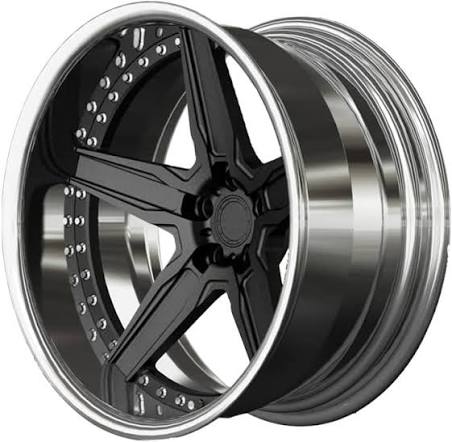
Custom forged wheels are known for their exceptional strength, lightweight construction, and premium appearance. Unlike standard cast wheels, these wheels are created through an advanced manufacturing process that transforms a solid piece of high-quality aluminum into a precision-engineered wheel. The process requires advanced technology, expert craftsmanship, and strict quality control to custom forged wheels achieve the perfect balance of performance and style. Many car enthusiasts choose custom forged wheels because they offer improved handling, durability, and a unique design that matches their vehicle’s personality.
Understanding the Forging Process
The production of custom forged wheels begins with a solid aluminum block called a forging blank. Most manufacturers use aerospace-grade aluminum alloys because they provide excellent strength while keeping the overall weight low. Instead of pouring melted metal into a mold like the casting process, forging uses extreme pressure to reshape the solid aluminum material.
During forging, the aluminum block is heated to a specific temperature and pressed under thousands of tons of pressure. This process changes the internal grain structure of the metal, making it stronger and more resistant to stress. The result is a wheel that can handle high-performance driving conditions while maintaining a lightweight design.
The forging method allows manufacturers to create wheels with thinner spokes and more detailed designs without reducing structural strength. This is one of the main reasons why custom forged wheels are preferred by sports car owners, luxury vehicle drivers, and performance enthusiasts.
Designing the Wheel Before Manufacturing
Before the manufacturing process begins, engineers and designers create a detailed digital model of the wheel. Computer-aided design (CAD) software is used to develop the shape, size, spoke pattern, offset, and fitment specifications.
Every vehicle has different requirements, so custom designs are created based on factors such as brake clearance, suspension setup, tire size, and driving style. Customers can select various designs, finishes, and measurements to create wheels that perfectly fit their vehicles.
The design stage is important because it determines not only the appearance of the wheel but also its performance characteristics. Engineers analyze the design using simulation technology to ensure the wheel can handle different driving conditions, including high speeds, cornering forces, and heavy loads.
Creating the Forged Wheel Blank
After the design is finalized, the manufacturing process begins with a forged aluminum blank. The aluminum material is heated and placed into a forging machine where powerful pressure forms it into a rough wheel shape.
The forging process compresses the aluminum molecules, creating a dense and strong structure. This improves the wheel’s resistance to cracks, impacts, and fatigue compared to traditional cast wheels.
Once the basic shape is formed, the wheel goes through additional heat treatment processes. Heat treatment improves the aluminum’s mechanical properties, increasing its strength and durability. This step ensures that the finished wheel can provide reliable performance for many years.
CNC Machining and Precision Cutting
After forging and heat treatment, the wheel moves to the CNC machining stage. CNC machines remove excess material and carefully shape the wheel according to the digital design.
During this stage, the machine creates the spoke patterns, center bore, bolt holes, and other important features with extreme accuracy. The precision of CNC machining ensures that every wheel has the correct dimensions and balance.
One of the biggest advantages of CNC machining is the ability to create highly detailed and personalized designs. Whether a customer wants a modern multi-spoke style, aggressive motorsport appearance, or a classic luxury look, CNC technology allows manufacturers to produce unique wheel designs.
Testing and Quality Control
Quality control is one of the most important parts of making custom forged wheels. Before a wheel reaches the customer, it must pass several inspections and performance tests.
Manufacturers check the wheel for structural strength, weight accuracy, surface quality, and dimensional precision. Many forged wheels undergo stress testing to simulate real-world driving conditions.
Tests may include impact testing, load testing, and X-ray inspections to detect any internal imperfections. These steps ensure that each wheel meets safety standards and provides dependable performance.
A high-quality forged wheel is not only designed to look attractive but also engineered to perform safely under demanding conditions.
Applying Custom Finishes
Once the wheel passes inspection, it moves to the finishing stage. This is where customers can personalize the appearance of their wheels with different colors, textures, and surface treatments.
Common finishes include gloss paint, matte finishes, brushed aluminum, polished surfaces, and custom color combinations. Some manufacturers also offer special protective coatings to improve resistance against road debris, weather conditions, and corrosion.
The finishing process requires careful preparation because the surface must be perfectly clean and smooth before applying any coating. A professional finish gives the wheel a premium appearance while protecting it from everyday driving conditions.
Final Assembly and Fitment Checking
Before delivery, every set of custom forged wheels is inspected one final time. Manufacturers verify measurements such as width, diameter, offset, and bolt pattern to ensure proper vehicle compatibility.
Some companies also provide test fitting services to confirm that the wheels work correctly with the vehicle’s brakes, suspension system, and tires. Proper fitment is essential because even a high-performance wheel must match the vehicle’s specifications for safe operation.
This final inspection guarantees that customers receive wheels that are both visually impressive and mechanically reliable.
Benefits of Choosing Custom Forged Wheels
The detailed manufacturing process makes custom forged wheels a premium choice for drivers who want better performance and personalization. Their lightweight construction can help reduce unsprung weight, improving acceleration, braking response, and handling.
Forged wheels also provide excellent durability because the aluminum structure is stronger than many conventional wheel designs. Their ability to withstand stress makes them suitable for performance vehicles, racing applications, and luxury cars.
Another major advantage is customization. Drivers can choose specific designs, sizes, finishes, and fitments to create a wheel setup that reflects their personal style.
Conclusion
The process of making custom forged wheels combines advanced engineering, precision machining, and skilled craftsmanship. From designing the initial concept to forging aluminum, CNC machining, finishing, and testing, every step is carefully completed to create a high-performance product.
Unlike mass-produced wheels, forged wheels are built with attention to detail and personalized specifications. Their combination of strength, lightweight performance, and unique styling makes them one of the most desirable upgrades for automotive enthusiasts. Whether improving vehicle performance or creating a standout appearance, custom forged wheels offer a perfect blend of technology and design.
