In today’s fast-paced digital world, convenience and simplicity are highly valued when it comes to payment methods. One solution that has gained traction, especially in mobile and online transactions, is Direct Carrier Billing (DCB). This payment method allows users to make purchases and have the charges appear directly on their mobile phone bills, offering a seamless experience without the need for credit cards or bank accounts. This article explores what Direct Carrier Billing is, how it works, its benefits, and why it’s becoming increasingly popular in various markets, including the integration of services like 소액결제현금화.
Understanding Direct Carrier Billing
Direct Carrier Billing is a mobile payment method that enables consumers to buy digital goods, subscriptions, apps, and other services by charging the cost to their mobile phone bill. Instead of entering card details or using a third-party payment platform, the transaction is handled directly by the mobile carrier.
This system is widely used for purchasing items such as in-app content, e-books, online games, and streaming subscriptions. The simplicity of this payment method has made it a preferred choice for users who may not have access to traditional banking solutions.
How Direct Carrier Billing Works
The process of Direct Carrier Billing is straightforward and user-friendly. Here’s a step-by-step breakdown of how it typically works:
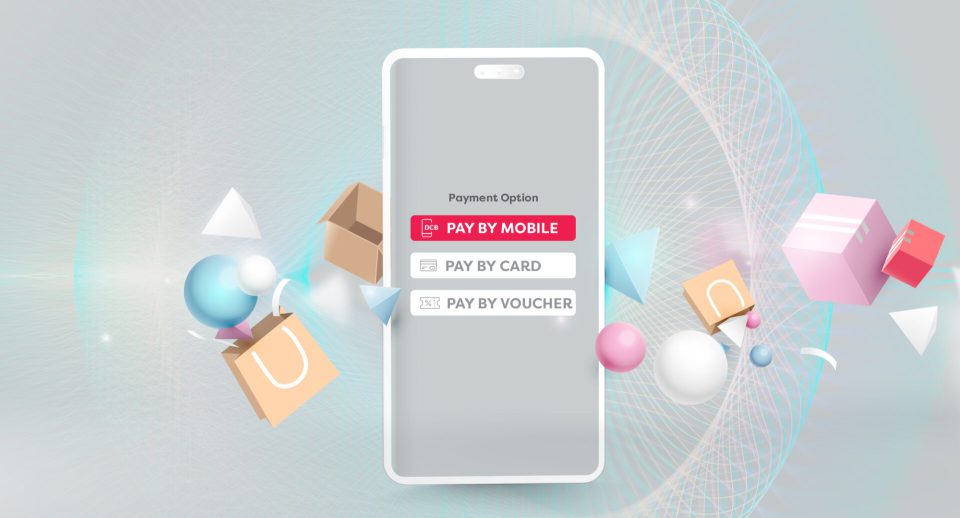
- Selecting the Payment Option: When a user makes a purchase on a digital platform, such as an app store, online game, or streaming service, they can choose “Pay via Mobile Carrier” as their payment option.
- Authentication: The carrier verifies the user’s phone number to confirm the transaction. This can involve a one-time password (OTP) or automatic authentication if the user is already signed in on their mobile device.
- Transaction Processing: Once authenticated, the purchase amount is added to the user’s mobile phone bill. Postpaid users see the charge on their monthly statement, while prepaid users have the amount deducted from their balance immediately.
- Confirmation: The user receives a confirmation of the payment, either via SMS or through the app or service from which the purchase was made.
This process eliminates the need for bank accounts, credit cards, or digital wallets, making it accessible to a broader range of users, including those in regions with limited banking infrastructure.
Advantages of Using Direct Carrier Billing
Direct Carrier Billing offers several benefits to both consumers and service providers:
Convenience and Speed
The main advantage of DCB is convenience. Users can complete transactions quickly without entering card details, making it ideal for impulse purchases or recurring payments for subscriptions.
Accessibility for All Users
Direct Carrier Billing enables people without credit or debit cards to access digital services. This is particularly useful in countries where banking penetration is low, allowing users to enjoy services that might otherwise be inaccessible.
Enhanced Security
By using the mobile carrier as the payment intermediary, sensitive financial information like credit card numbers are not required. This reduces the risk of fraud and provides users with an additional layer of security.
Integration with Mobile Services
DCB is particularly effective for services integrated with mobile devices, such as app stores, gaming platforms, and digital content providers. The user’s phone number acts as a universal identifier, simplifying the transaction process.
Popularity in Asia and Mobile-First Markets
In regions like South Korea, Direct Carrier Billing is often linked with services like 소액결제현금화, where small-amount payments can be converted into cash or used for additional services. This has made mobile billing a highly practical and widely adopted payment solution.
Challenges and Considerations
While Direct Carrier Billing has many advantages, it is not without challenges:
Transaction Limits
Carriers often impose limits on the maximum amount that can be charged in a single transaction or within a billing cycle. This can restrict higher-value purchases.
Fees and Revenue Sharing
Mobile carriers may charge fees for processing payments, and digital service providers often share a percentage of their revenue with the carrier. This can make DCB slightly more expensive compared to traditional payment methods.
User Awareness
Some users may not be fully aware of DCB, leading to accidental purchases, especially among younger users. Clear communication and consent mechanisms are essential to prevent disputes.
Regulatory Compliance
Payment regulations vary by country. Carriers and service providers must ensure compliance with local laws related to digital payments, consumer protection, and financial transactions.
Use Cases of Direct Carrier Billing
Direct Carrier Billing is used across a variety of industries:
Digital Content
Streaming services, online gaming, e-books, and music platforms frequently use DCB to simplify purchases. Users can buy songs, game credits, or subscriptions in seconds, with the payment reflected in their mobile bill.
Microtransactions and 소액결제현금화
Small payments, often called micropayments, are ideal for Direct Carrier Billing. In markets like South Korea, users can use 소액결제현금화 services to convert small payments into cash or transfer them to digital wallets, expanding the utility of mobile billing beyond digital content.
Mobile App Stores
Google Play, Apple App Store, and other platforms support DCB as a convenient payment method, allowing users to buy apps or in-app items without entering credit card information.
Public Services and Donations
In some countries, DCB is used for paying utility bills, public transport fees, or even making charitable donations, making transactions more accessible and convenient for a wide audience.
Future of Direct Carrier Billing
As mobile usage continues to rise globally, Direct Carrier Billing is expected to grow. Innovations such as integrating DCB with mobile wallets, expanding into offline payments, and supporting international transactions could further increase adoption.
Emerging markets are particularly poised to benefit, as mobile-first solutions like DCB and 소액결제현금화 provide essential access to financial services for unbanked populations. Additionally, with the growth of subscription-based digital services, DCB’s convenience and low friction make it a preferred method of payment for both users and providers.
Conclusion
Direct Carrier Billing is transforming the way people make digital payments by simplifying the transaction process and removing the need for traditional banking methods. Its seamless integration with mobile devices, combined with enhanced security and accessibility, makes it a compelling option for both consumers and service providers.
With the rise of micropayments and services like 소액결제현금화, DCB is becoming more than just a method to pay for apps and digital content; it’s evolving into a versatile financial tool. As technology advances and mobile usage continues to grow, Direct Carrier Billing is likely to play an even bigger role in shaping the future of digital payments globally.