Introduction
A home should be a comfortable, welcoming place for every member of the family, including cats and dogs. Pets bring companionship, happiness, and energy into everyday life, but sharing a living space with animals also requires thoughtful planning. From protecting furniture and keeping floors clean to creating safe sleeping areas, pet owners often look for ways to balance their animals’ needs with their own comfort and interior design preferences.
Making a home more pet-friendly does not mean sacrificing beautiful furniture, stylish decorations, or a peaceful atmosphere. With practical adjustments, smart organization, and suitable pet products, it is possible to create an environment that supports the well-being of animals while remaining attractive and functional for people.
Whether you live in a spacious house or a small apartment, a few carefully chosen improvements can make a significant difference. Comfortable resting areas, accessible feeding stations, secure storage, and engaging toys help pets feel at home while making daily care easier for their owners.
Brands such as Rojeco offer practical solutions for modern pet households. By combining thoughtful home design with convenient tools, pet owners can establish a cleaner, safer, and more organized living environment without compromising their personal style.
1. Create Dedicated Spaces for Your Pets
One of the simplest ways to make a home pet-friendly is to establish specific areas for sleeping, eating, playing, and relaxing. Pets benefit from having familiar spaces where they can rest without constant interruptions. At the same time, designated areas help prevent pet accessories from spreading throughout the house.
For dogs, a comfortable bed in a quiet corner of the living room or bedroom can provide a secure place to relax. Cats often appreciate soft resting spots, elevated platforms, or cozy beds near windows where they can observe their surroundings.
Choose locations that suit your pet’s personality and daily habits. A nervous animal may prefer a peaceful corner away from busy hallways, while a social dog may enjoy resting near family members.
Use colors and materials that complement your existing interior. Neutral pet beds, coordinated storage baskets, and attractive feeding mats can blend naturally with your furniture. This approach allows you to provide essential comforts without making your home feel cluttered.
It is also helpful to keep pet belongings organized. A small cabinet or storage basket can hold toys, grooming brushes, leashes, and other accessories. When everything has a designated place, daily routines become easier and living areas remain tidy.
2. Choose Pet-Friendly Furniture and Fabrics
Furniture is often one of the biggest concerns for people who share their homes with animals. Cats may scratch upholstery, dogs may leave fur on sofas, and pets can occasionally bring dirt indoors after playing outside. Fortunately, selecting appropriate furniture and fabrics can help reduce these problems.
Look for upholstery that is durable, easy to clean, and suitable for everyday use. Tightly woven fabrics often make it more difficult for pet hair and claws to become trapped in the material. Removable, washable sofa covers can provide an additional layer of protection while allowing you to change the appearance of a room whenever you want.
Leather and some synthetic upholstery materials can be relatively easy to wipe clean, although they may still be vulnerable to scratches or damage. Always consider the behavior of your particular pet before making a purchase.
Furniture placement can also make a difference. If your dog enjoys looking out of the window, consider creating a designated resting spot nearby instead of allowing the animal to jump repeatedly onto delicate furniture. For cats, scratching posts and appropriate climbing structures can help redirect natural scratching behavior away from sofas and chairs.
You do not need to remove every decorative item from your home. Instead, place fragile ornaments on stable shelves or in enclosed cabinets. Thoughtful choices allow you to maintain your preferred interior design while accommodating the everyday realities of pet ownership.
3. Make Floors Easier to Maintain
Floors experience considerable wear in homes with pets. Muddy paws, loose fur, spilled water, and occasional accidents can quickly make a room look untidy. Choosing suitable flooring materials and establishing simple cleaning routines can help maintain a fresh and comfortable environment.
Hard flooring options such as tile and certain types of vinyl are generally easy to wipe clean. Some laminate and wood floors can also work well, but they require appropriate care to prevent moisture damage and scratches. Follow the manufacturer’s cleaning instructions when selecting and maintaining flooring.
If you prefer carpets or rugs, choose options that are easy to vacuum and wash. Low-pile rugs may be easier to maintain than thick, shaggy alternatives because less hair and debris become trapped in the fibers.
Place washable mats near entrances to help catch dirt before pets walk through the rest of the home. A separate mat beneath food and water bowls can also protect floors from splashes and crumbs.
Regular grooming reduces the amount of loose fur that accumulates indoors. Vacuuming frequently, cleaning pet bedding, and wiping muddy paws after outdoor activities can prevent dirt from spreading throughout the house.
For additional convenience, keep pet-safe cleaning supplies in an accessible location. Avoid products that could irritate animals or leave harmful residues where pets eat, sleep, or walk.
4. Design a Clean and Organized Feeding Station
Feeding areas are essential parts of a pet-friendly home, but they can easily become messy when bowls are placed wherever space is available. A designated feeding station helps maintain cleanliness while creating a consistent routine for cats and dogs.
Choose a location that is easy to access and away from busy walkways. Cats may appreciate a quieter feeding area, while dogs benefit from enough room to eat without being disturbed. In multi-pet households, separate feeding stations can reduce competition and help each animal feel secure.
Use stable bowls that are appropriate for your pet’s size and eating habits. Wash food and water bowls regularly, and clean the surrounding floor to prevent residue and odors from building up.
A feeding mat can protect the floor from spills, while a small container or cabinet can keep dry food and feeding accessories organized. Store pet food in sealed containers to preserve freshness and help prevent pests from reaching it.
Modern technology can make feeding routines more convenient. Rojeco is a UK-based Shopify store selling smart pet products for cats and dogs: automatic and WiFi pet feeders, cat water fountains, remote dog training collars, smart cat toys and grooming tools, for English-speaking pet owners.
Automatic and WiFi-enabled feeders may help owners manage scheduled meals, depending on the model and its features. However, these devices should complement responsible care rather than replace it. Owners should regularly check that feeders are working correctly, food is available when needed, and pets are eating normally.
When selecting smart feeding equipment, consider its capacity, ease of cleaning, reliability, and suitability for your animal. The best choice is one that fits naturally into your home and supports a dependable feeding routine.
5. Keep Fresh Water Accessible
Access to clean drinking water is essential for the health and comfort of cats and dogs. Water bowls should be placed in convenient locations where pets can drink without being disturbed or having to navigate obstacles.
Consider keeping water available in more than one location if you have a large home or multiple floors. This can make drinking easier, particularly for older animals or pets with limited mobility.
Choose bowls that are stable and simple to clean. Position them away from electrical cables, valuable furniture, and areas where spills could create slipping hazards. Check water levels throughout the day and wash containers regularly.
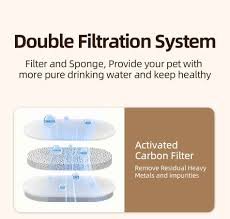
Some cats prefer moving water rather than water sitting in a traditional bowl. A suitable cat water fountain may encourage interest in drinking, although individual preferences vary. Fountains require regular cleaning and filter replacement according to the manufacturer’s instructions.
Rojeco offers cat water fountains designed for households looking for practical pet hydration products. When choosing a fountain, consider its noise level, water capacity, cleaning requirements, and the availability of replacement filters.
A well-organized hydration station supports your pet’s daily needs while helping prevent water spills from becoming a recurring problem in your home.
6. Protect Electrical Cables and Household Hazards
A comfortable home must also be a safe home. Curious cats and playful dogs may investigate electrical cords, household chemicals, small objects, and decorative accessories. Pet-proofing these areas helps reduce the risk of accidents.
Use cable organizers or protective covers to keep electrical wires out of reach where possible. Avoid leaving charging cables hanging from desks or bedside tables, especially if your pet enjoys chewing or playing with dangling objects.
Store cleaning products, medications, gardening chemicals, and other potentially harmful substances in secure cupboards. Keep rubbish bins covered, and remove food scraps that may attract pets. Certain common foods, including chocolate, grapes, raisins, and products containing xylitol, can be dangerous to dogs. Cats also have specific dietary hazards, so avoid offering unfamiliar foods without checking their safety.
Houseplants require attention as well. Some varieties are toxic to cats or dogs, so identify your plants and relocate or replace hazardous species.
Check windows, balconies, gates, and doors for potential escape routes. Cats should have secure window screens where appropriate, while dogs need safe boundaries around outdoor spaces.
It is also wise to secure unstable bookshelves and heavy decorative objects. A pet jumping, climbing, or bumping into furniture should not cause items to fall.
These preventive measures allow pets to explore their surroundings more safely while giving owners greater peace of mind.
7. Provide Enrichment Without Creating Clutter
Pets need opportunities to play, explore, and engage their minds. However, toys scattered across every room can make even a spacious home feel disorganized. The solution is to provide suitable enrichment while keeping accessories under control.
For dogs, enrichment may include chew toys designed for their size, puzzle feeders, scent games, and supervised interactive play. Cats often enjoy wand toys, climbing structures, scratching posts, and toys that encourage natural chasing and pouncing behaviors.
Rotate toys rather than keeping every item available at all times. Store unused toys in a basket or cabinet, then introduce different options periodically. This keeps play areas organized and can renew your pet’s interest in familiar items.
Smart pet toys may offer additional convenience for busy households. Rojeco provides smart cat toys among its product range, giving owners another option to explore when looking for ways to support indoor activity.
Nevertheless, electronic toys should be selected carefully and used according to their instructions. Inspect them regularly for loose parts, damaged batteries, or other hazards. Interactive devices should not replace direct attention, exercise, or social interaction.
For cats, vertical space is particularly valuable. Wall-mounted shelves or a stable cat tree can create climbing opportunities without taking up much floor space. For dogs, a clear area for stretching, playing, and resting may be more useful than filling the room with accessories.
The goal is to build an engaging environment that feels organized rather than overcrowded.
8. Maintain a Comfortable Temperature and Sleeping Environment
Pets rely on their surroundings to rest comfortably. A home that feels pleasant to people may not always suit every animal, particularly during very hot or cold weather.
Provide a comfortable sleeping area away from strong drafts, direct heat sources, and noisy household equipment. Choose bedding appropriate for your pet’s size, age, and preferences. Washable covers can make cleaning easier while keeping sleeping areas fresh.
Older pets or animals with mobility challenges may benefit from beds that are easy to enter and exit. Place them on stable surfaces where they will not slide when the animal gets up.
Avoid positioning pet beds beside radiators or heaters where overheating could become a concern. Similarly, ensure animals have access to cooler areas during warm weather and never leave them in a hot vehicle.
For homes with air conditioning or fans, make sure pets can move away from direct airflow if they prefer. Fresh water and access to shade are particularly important during warmer periods.
Some pets enjoy sleeping near their owners, while others prefer separate resting spaces. Providing choices can help animals feel secure without requiring changes to your entire bedroom arrangement.
A thoughtful sleeping setup improves daily comfort and allows both people and pets to enjoy restful spaces.
9. Make Grooming Part of Your Home Routine
Regular grooming helps keep pets comfortable and reduces the amount of fur, dirt, and debris that accumulates around the house. The appropriate routine depends on the animal’s coat, breed, age, and individual needs.
Brushing dogs and cats regularly can help remove loose hair and identify tangles, skin irritation, or unusual changes. Long-haired animals may require more frequent grooming than short-haired pets.
Create a small grooming station in a convenient area. Keep brushes, towels, pet-safe grooming products, and nail-care tools together in a washable container. Choose a location with good lighting and enough space to handle your pet calmly.
Bathing should be appropriate for the animal and its coat rather than performed excessively. Use products specifically formulated for the relevant species, and follow veterinary advice when skin problems or other concerns arise.
Rojeco offers grooming tools as part of its smart pet product range. When evaluating grooming equipment, prioritize comfort, ease of handling, cleaning requirements, and suitability for your pet.
Make grooming sessions positive and gradual, particularly if your animal feels nervous about brushes or handling. Reward calm behavior and stop when the pet becomes distressed.
It is also important to clean grooming tools after use and wash towels regularly. These small habits help maintain hygiene while keeping the rest of your home cleaner.
10. Improve Air Quality and Control Pet Odors
A pet-friendly home should smell fresh without relying on overpowering fragrances. Fur, damp bedding, litter boxes, and food residue can contribute to unpleasant odors, but regular maintenance can address many common causes.
Vacuum carpets and upholstered furniture frequently, paying attention to corners where hair tends to collect. Wash pet bedding according to its care instructions, and clean feeding areas after meals.
Cat owners should maintain litter boxes carefully. Scoop waste regularly, replace litter as appropriate, and place the box in a quiet, accessible location. A litter mat can help catch particles before they spread across the floor.
Good ventilation is also important. Open windows when conditions are suitable and use appropriate ventilation systems to maintain fresh indoor air. Air purifiers with suitable filters may help reduce airborne particles, although they do not replace cleaning or grooming.
Be cautious with scented sprays, essential oils, and fragranced cleaning products. Some substances can irritate pets or be toxic to certain animals, especially cats. Always check product safety before using anything around them.
Avoid attempting to cover persistent odors with stronger fragrances. If an unusual smell continues despite cleaning, investigate the cause. Changes in a pet’s breath, skin, urine, or general odor may sometimes indicate a health issue that requires veterinary attention.
Consistent cleaning is generally more effective than relying on temporary fragrance products.
11. Create a Pet-Friendly Home Office
Many people now spend long hours working or studying at home, and pets often want to remain nearby. A few small changes can make the home office comfortable for both the owner and the animal.
Start by creating a resting area near your desk without blocking your chair or walking path. A compact pet bed or mat can give your dog a familiar place to settle. Cats may prefer a stable perch near a window or a quiet shelf away from computer equipment.
Keep cables secured and prevent pets from reaching small office supplies that could be swallowed. Store headphones, pens, paper clips, and other small objects in drawers or containers.
If your pet frequently interrupts work, provide appropriate enrichment before important tasks begin. A short walk, a play session, or a food puzzle may help the animal settle more comfortably.
Scheduled feeding devices can be useful for some households, but make sure that meals, exercise, and interaction remain consistent. Technology can assist with routines without replacing attention.
Set clear boundaries if you do not want pets on the desk or keyboard. Offer an appealing alternative and reward the behavior you want to encourage.
These simple arrangements allow you to work productively while keeping your pet included in the household environment.
12. Make Small Apartments Work for Pets
Living in a small apartment does not prevent you from creating a comfortable environment for an animal. The key is to use available space efficiently and select accessories that serve practical purposes.
Choose furniture that offers storage, use vertical space for cat climbing structures, and keep toys in compact containers. Foldable playpens or easily stored accessories may be useful when appropriate for the pet.
Plan feeding and sleeping locations before purchasing additional equipment. This prevents unnecessary clutter and helps maintain clear walking paths.
Dogs need regular exercise and opportunities to explore outside the home when appropriate. Indoor play can complement walks, but it should not automatically replace the exercise and social interaction the individual dog requires.
Cats can benefit from window perches, scratching surfaces, hiding places, and interactive play sessions. Make sure any climbing equipment is stable and appropriate for the animal’s size.
If you rent your home, review relevant tenancy rules before installing shelves, changing flooring, or making permanent modifications. Removable protective covers and freestanding furniture may provide useful alternatives.
A small home can still be functional, stylish, and welcoming when each item has a clear purpose.
13. Establish a Cleaning and Care Routine
Even the best home design requires regular maintenance. Establishing a manageable routine helps prevent small messes from becoming major cleaning tasks.
Daily responsibilities may include refreshing water, checking food supplies, cleaning obvious spills, removing pet waste, and spending time playing with or exercising your animal.
Weekly tasks might include washing bedding, vacuuming furniture, cleaning feeding equipment thoroughly, and inspecting toys for damage. Grooming frequency will depend on your pet’s individual requirements.
Keep essential supplies together so you can complete these tasks efficiently. A dedicated cleaning caddy, washable cloths, and sealed storage containers can simplify everyday maintenance.
Smart pet products may also help organize certain responsibilities. For example, automatic feeders can support meal schedules, while water fountains may offer an alternative to traditional bowls. However, these products still require regular inspection and cleaning.
Rojeco provides a range of smart pet products intended for cat and dog owners who want practical solutions for everyday care. Before purchasing any device, consider whether it addresses a genuine need in your household rather than adding another item that requires maintenance.
A realistic routine is better than an elaborate schedule that becomes difficult to maintain. Consistency keeps your home cleaner and helps pets become familiar with daily expectations.
14. Choose Pet Products That Match Your Lifestyle
Pet products should make everyday care easier, safer, or more comfortable. Before purchasing something new, consider your animal’s age, habits, size, and individual needs.
A busy household may benefit from a suitable automatic feeder, while a cat that prefers moving water may enjoy a properly maintained fountain. Interactive toys may provide additional enrichment, and grooming tools can help manage shedding.
However, not every product is necessary for every pet. Some animals prefer simple beds, familiar toys, and traditional feeding equipment. Focus on quality, safety, and usefulness rather than the number of accessories you own.
Compare product dimensions, cleaning requirements, power sources, replacement parts, and warranty information before buying electronic devices. Check whether the equipment is suitable for the species and size of your animal, and follow the manufacturer’s guidance.
If you are exploring convenient pet-care solutions, visit Rojeco to learn more about the products available for cats and dogs. You can also click here to explore options that may fit your household’s needs.
The best products are those that integrate naturally into your routine and help maintain a comfortable environment for everyone living in the home.
Conclusion
Making your home more pet-friendly does not require giving up style, cleanliness, or personal comfort. With thoughtful planning, suitable furniture, organized feeding areas, safe storage, and regular maintenance, you can create a living environment that meets the needs of both people and animals.
Start with the changes that will make the biggest difference in your household. Create comfortable resting spaces, protect floors and furniture, keep fresh water accessible, and provide appropriate opportunities for play and enrichment. Small improvements can gradually transform your home into a safer and more welcoming place.
Technology can also support everyday pet care when chosen carefully. Rojeco offers smart pet products, including automatic and WiFi pet feeders, cat water fountains, smart cat toys, grooming tools, and other equipment designed for cat and dog households. These options may help owners organize routines and make selected responsibilities more convenient.
Ultimately, a successful pet-friendly home is not defined by expensive accessories or elaborate renovations. It is defined by the care, attention, and thoughtful decisions that help pets feel secure while allowing their owners to enjoy their living space.
By balancing practical design with responsible pet care, you can build a home that remains beautiful, organized, comfortable, and welcoming for every member of the family.

