Introduction
Wearable technology has become an important part of modern life, helping people monitor daily activities, understand their sleep patterns, and stay connected with digital services. While smartwatches and fitness bands remain popular choices, smart rings are attracting attention because of their compact design, comfortable fit, and useful health-tracking features. These small devices can offer several convenient functions without requiring users to wear a larger screen on their wrists.
Choosing the right smart ring requires more than comparing prices or selecting an attractive design. Buyers should consider their lifestyle, preferred technology features, smartphone compatibility, battery performance, comfort, and overall value. Some people want a ring primarily for tracking sleep, while others prefer monitoring daily activity, checking heart rate trends, or exploring wearable technology without investing in an expensive smartwatch.
Products from brands such as Colmi provide an opportunity to explore smart rings at different price points. However, not every device offers the same level of accuracy, connectivity, or functionality. Understanding the essential features before purchasing can help consumers make a more informed decision.
This guide explains how to choose smart rings that fit your daily routine, technological expectations, and budget while highlighting the factors worth considering when researching products such as the Colmi R09.
Understand Your Main Reason for Buying a Smart Ring
Before comparing individual products, identify what you want your smart ring to accomplish. A clear understanding of your priorities makes it easier to avoid paying for features you may never use.
Health and Wellness Tracking
Many people purchase smart rings to learn more about their general wellness habits. Depending on the model, these devices may monitor heart rate, estimate sleep duration, record activity levels, or measure other wellness indicators.
If health tracking is your main priority, examine the specifications carefully. Some rings provide continuous heart rate monitoring, while others collect measurements periodically or only under particular conditions. The accompanying mobile application also matters because it determines how easily you can review and understand the collected information.
Remember that consumer smart rings are not substitutes for medical equipment. Their measurements can provide useful general insights, but they should not be treated as definitive medical assessments.
Sleep Monitoring
Sleep tracking is another common reason to consider a smart ring. Since rings do not have a large display, they can be convenient for people who prefer a lightweight wearable while resting.
Depending on the model, sleep features may include estimated sleep duration, sleep stages, overnight heart rate, and sleep-related trends. Before purchasing, check which measurements are actually supported and whether the application presents the results in a clear format.
Comfort is especially important here. A ring that feels uncomfortable during the night may become less useful, even if it offers several tracking features.
Everyday Activity Tracking
If you spend much of your day walking, studying, working, or commuting, a smart ring with activity tracking may suit your needs. Some devices record movement, steps, and estimated calorie expenditure.
People who participate in structured sports should also examine whether a ring supports their preferred activities. Smart rings do not always provide the detailed workout controls or live performance feedback available on dedicated sports watches.
Compare the Essential Smart Ring Features
After identifying your priorities, compare the technical specifications of the available devices. A useful smart ring should offer features that fit your routine rather than simply presenting the longest list of advertised capabilities.
Heart Rate Monitoring
Heart rate monitoring can help users observe general patterns during rest and everyday activities. Some smart rings use optical sensors to estimate heart rate from changes in blood flow beneath the skin.
When evaluating this feature, look for information about measurement frequency, supported monitoring modes, and how readings appear in the application. Sensor performance may vary with fit, movement, skin characteristics, and other conditions.
If heart rate information is particularly important to you, seek independent testing rather than relying exclusively on promotional claims.
Sleep and Recovery Insights
Some smart rings organize sleep and activity information into daily summaries. More advanced models may also offer recovery estimates or wellness scores based on several measurements.
These scores can be convenient for identifying broad trends, but their formulas differ between manufacturers. A high score from one application may not be directly comparable with a score from another brand.
Choose a device that explains its measurements clearly and helps you understand patterns without making unrealistic health promises.
Step Counting and Activity Records
Step counting is useful for people who want a simple overview of daily movement. However, ring-based activity measurements can sometimes be affected by hand movements or activities that do not involve walking.
Consider whether the device records daily steps, active periods, and historical trends. If you want detailed exercise tracking, verify whether it supports the specific features you need instead of assuming that every smart ring offers a complete fitness experience.
Water Resistance
Water resistance can be valuable when washing your hands, exercising, or encountering rain. However, the level of protection varies by model.
Check the manufacturer’s stated rating and its specific limitations before wearing a ring while swimming, showering, or participating in water sports. Water resistance should never be assumed solely because a product is marketed as a wearable device.
Choose a Ring That Fits Your Lifestyle
The most suitable smart ring is one that fits naturally into your everyday routine. Different users have different expectations, so your personal habits should influence the final choice.
Smart Rings for Students and Busy Professionals
Students and professionals often need technology that works quietly in the background. A compact smart ring may appeal to people who want basic wellness tracking without a bright display or frequent notifications.
For these users, comfort, battery life, easy synchronization, and a straightforward mobile application may matter more than advanced sports features.
Consider how often you use your phone and whether you are comfortable reviewing your information through an application instead of directly on the ring.
Smart Rings for Fitness Enthusiasts
People who exercise regularly should examine the device’s tracking capabilities before purchasing. A ring may provide a convenient way to monitor general activity and overnight trends, but its usefulness for specific workouts depends on the model.
Check whether the device records exercise sessions, supports the activities you perform, and provides meaningful historical information.
For activities involving heavy gripping, weightlifting, or contact with equipment, consider whether wearing a metal or rigid ring is appropriate. Removing it during certain exercises may be safer and more comfortable.
Smart Rings for Travelers
Travelers often benefit from wearables that require little daily attention. A smart ring with dependable battery performance and straightforward charging can be convenient during commutes, holidays, and business trips.
Battery life claims should be evaluated carefully because actual performance depends on monitoring frequency, connection settings, and usage. Also consider whether the charging case or cable is easy to carry and replace.
If you travel frequently, check whether the application can display previously synchronized information without an internet connection and whether the device requires regular phone synchronization.
Consider the Colmi R09 When Comparing Affordable Options
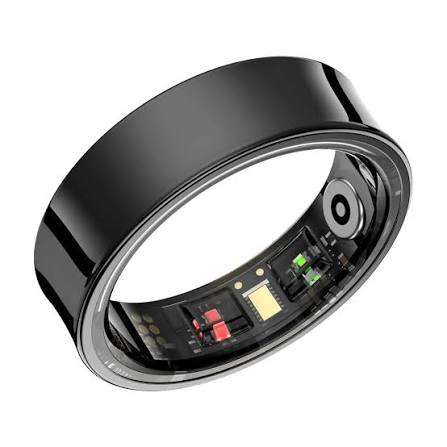
Colmi is a brand associated with affordable wearable technology, including smart rings. Consumers exploring this category may encounter the Colmi R09 when comparing compact wearables with heart rate monitoring and other wellness-oriented features.
A practical colmi r09 review should consider more than the product’s appearance or advertised sensor list. Buyers should investigate the ring’s actual capabilities, comfort, application experience, charging arrangements, and limitations before deciding whether it meets their expectations.
Examine the Available Features
Start by checking the exact specifications for the version sold by your chosen retailer. Confirm which features are supported, including heart rate monitoring, sleep tracking, step counting, and other advertised measurements.
Do not assume that every smart ring from the same manufacturer offers identical capabilities. Specifications, application support, and regional product listings can differ.
If you mainly want basic wellness tracking, a straightforward device may provide sufficient value. If you expect detailed workout analysis or advanced health insights, compare its functions with competing products before making a purchase.
Evaluate the Mobile Application
The smartphone application is an important part of the smart ring experience. It presents collected information, organizes daily records, and may provide historical charts or personalized summaries.
Before purchasing a Colmi ring, look for recent user feedback about the application’s stability, synchronization, readability, and compatibility with your smartphone. Check whether essential features are included or whether any functions require an additional subscription.
An inexpensive wearable becomes less useful if its software is difficult to operate or if information regularly fails to synchronize.
Research Real-World Performance
Product descriptions explain what a device is designed to do, but independent reviews can help establish how it performs in everyday situations.
When assessing the Colmi R09, look for practical testing of sensor consistency, battery performance, comfort, charging reliability, and app usability. Pay attention to the review date because software updates and product revisions may affect the experience.
A balanced evaluation should discuss both advantages and limitations rather than presenting every advertised feature as a guaranteed benefit.
Select the Correct Size and Comfortable Design
Sizing is one of the most important aspects of choosing a smart ring. Even a technically advanced device can become inconvenient if it feels too tight, moves around excessively, or irritates your skin.
Measure Your Finger Carefully
Follow the manufacturer’s sizing instructions rather than guessing your ring size from a traditional jewelry chart. Smart rings can have different internal dimensions and fit requirements.
Your fingers may change slightly in size throughout the day because of temperature, activity, and other ordinary conditions. A suitable fit should feel secure without creating discomfort or restricting circulation.
If the manufacturer provides a sizing kit, consider using it before ordering. Check the return policy as well, particularly when purchasing online.
Consider Materials and Weight
Smart rings are commonly made with materials selected for durability, comfort, and sensor placement. Review the product’s material specifications if you have skin sensitivities or prefer a particular finish.
A lightweight design may be especially appealing if you intend to wear the ring for extended periods. However, comfort depends on shape, width, surface finish, and individual preference as well as weight.
Think About Your Daily Activities
A ring that feels comfortable while sitting at a desk may feel different during exercise, cooking, or manual tasks. Consider when you will wear the device and whether you might need to remove it for certain activities.
The best design is one that fits your routine safely and comfortably rather than one chosen entirely for appearance.
Check Smartphone Compatibility and Connectivity
Smart rings generally depend on a companion application to display detailed measurements. Before purchasing, confirm that the ring supports your phone’s operating system and that the required application is available in your region.
Bluetooth Connectivity
Many smart rings use Bluetooth to communicate with a smartphone. Check the supported Bluetooth requirements and confirm that your phone meets them.
Read user feedback about pairing and reconnection behavior. A ring that frequently disconnects or requires repeated setup may create unnecessary frustration.
Application Permissions and Privacy
Wearable devices can collect personal information about movement, sleep, and other wellness indicators. Before using one, review the application’s privacy policy and understand what information it collects, how it is stored, and whether it is shared with third parties.
Check the permissions requested by the application and enable only those needed for the features you intend to use. Use a strong password for your associated account when an account is required.
Privacy deserves the same attention as battery life and sensor specifications, especially when a wearable records information throughout the day and night.
Compare Battery Life and Charging Convenience
Battery performance affects how consistently you can use a smart ring. A model that needs frequent charging may interrupt overnight monitoring or become inconvenient during travel.
Understand Advertised Battery Life
Manufacturers often provide estimated battery-life figures based on particular usage conditions. Continuous measurements, frequent synchronization, and other features can affect real-world performance.
Look for independent reviews that explain how long the ring lasts during normal use. If possible, check whether the charging case provides additional charges and how long the ring takes to recharge.
Examine the Charging Method
Some smart rings use a dedicated charging dock or case. Others may have different charging arrangements depending on the product.
Verify what is included in the box and whether replacement charging accessories are available. A convenient charging system can make a meaningful difference when using a wearable every day.
Develop a simple routine, such as charging the device during a period when you do not need its measurements, while remembering that charging during sleep will interrupt overnight tracking.
Set a Realistic Budget
Smart rings are available across different price categories. Higher prices may reflect more advanced sensors, stronger software support, premium materials, or additional features, but cost alone does not guarantee better performance.
Compare Overall Value
Instead of choosing the cheapest product immediately, compare the features you will actually use. A less expensive ring may be sufficient for basic activity tracking, while someone seeking more detailed analysis may benefit from a more capable model.
Consider the total ownership cost, including possible subscriptions, replacement chargers, shipping fees, and warranty coverage.
Check Warranty and Return Policies
Before ordering, understand the seller’s warranty terms, return window, and procedure for resolving defective products. Confirm whether the warranty covers battery problems, charging issues, and hardware faults.
Purchasing from a reputable retailer can make it easier to obtain assistance if the ring does not work as expected.
Avoid Common Smart Ring Buying Mistakes
Several common mistakes can make an otherwise promising purchase disappointing.
First, do not select a ring based entirely on advertising. Confirm that its claimed functions are supported by the exact model you intend to buy.
Second, do not assume that all health measurements are equally accurate. Different sensors and algorithms can produce different results, and independent testing may reveal limitations.
Third, avoid overlooking software support. An attractive ring with unreliable synchronization or a confusing application may not provide a satisfying long-term experience.
Fourth, do not ignore comfort and sizing. A device must fit properly to be practical for continuous wear.
Finally, avoid comparing products using price alone. Consider reliability, privacy, warranty protection, charging convenience, and the usefulness of the accompanying application.
How to Make Your Final Decision
A simple comparison process can help you narrow your options without becoming overwhelmed by specifications.
Create a Feature Checklist
Write down your three most important requirements. For example, you might prioritize heart rate monitoring, sleep tracking, and comfortable overnight wear. Another buyer may care more about battery life, water resistance, and compatibility with a particular smartphone.
Compare each candidate against those requirements and mark any features that have not been independently verified.
Read Multiple Reviews
Look for reviews from different sources, including independent technology publications and verified buyers. Prioritize recent reports that describe actual use instead of repeating promotional descriptions.
Pay particular attention to recurring complaints about sizing, synchronization, sensor performance, and charging. A single negative review may describe an isolated problem, while repeated reports can indicate a broader concern.
Consider Long-Term Usability
Ask yourself whether you will regularly review the information the ring collects. If you only need occasional activity measurements, a basic device may be sufficient. If you plan to monitor long-term wellness trends, application quality and reliable data storage become more important.
The best smart ring is not necessarily the one with the most features. It is the one that provides useful information in a way that fits your habits and expectations.
Conclusion
Choosing a smart ring requires balancing personal needs, comfort, technology, and cost. Start by identifying your main purpose, whether that is general wellness tracking, sleep monitoring, daily activity recording, or exploring wearable technology in a compact form.
Next, compare sensor capabilities, smartphone compatibility, battery life, charging convenience, privacy protections, sizing options, and warranty terms. Researching these details helps you distinguish genuinely useful features from marketing claims.
When exploring affordable devices, the Colmi R09 may be worth investigating if its confirmed specifications match your requirements. A thorough colmi r09 review should consider practical performance, application reliability, comfort, and limitations rather than relying solely on its advertised features.
Ultimately, the right smart ring should complement your lifestyle without adding unnecessary complexity. By comparing products carefully, checking independent feedback, and focusing on the features that matter most to you, you can make a more confident decision and choose a wearable that supports your everyday technology needs.