Portable power stations have become an essential solution for outdoor enthusiasts, travelers, emergency preparedness users, and anyone who needs reliable electricity away from traditional power sources. With many models available in the market, understanding the portable power station specifications that matter can help you make a smarter purchasing decision. Instead of focusing only on brand names or appearance, it is important to evaluate the technical features that determine performance, efficiency, safety, and long-term value.
A portable power station is designed to store electrical energy in a built-in battery and provide power for various devices such as smartphones, laptops, cameras, lights, small appliances, medical equipment, and camping gear. However, not every power station offers the same level of performance. The right choice depends on factors such as battery capacity, output power, charging speed, portability, and additional features.
Understanding Battery Capacity and Energy Storage
One of the most important specifications to consider is battery capacity. Capacity determines how much energy a portable power station can store and how long it can operate your devices before needing a recharge. It is usually measured in watt-hours (Wh).
For example, a portable power station with a higher watt-hour rating can support larger devices or provide power for a longer period compared to a smaller unit. A compact model may be suitable for charging phones, tablets, and cameras, while a high-capacity model can handle refrigerators, power tools, and other demanding equipment.
When reviewing portable power station specifications that matter, battery capacity should always be one of the first factors to evaluate. Consider your intended use and calculate how much energy your devices require. This will help you select a model that provides enough runtime without carrying unnecessary weight.
Output Power and Device Compatibility
Another critical specification is output power. Portable power stations typically list two important measurements: continuous output power and peak or surge power.
Continuous output refers to the amount of power the station can provide consistently during normal operation. Peak power represents the temporary increase available when certain devices require extra energy during startup. Appliances with motors, such as refrigerators and pumps, often need additional power when they turn on.
A power station with insufficient output capacity may shut down or fail to operate certain devices. Therefore, checking the wattage requirements of your equipment is essential. Understanding these details is one of the key parts of evaluating portable power station specifications that matter.
Battery Type and Lifespan
The type of battery used inside a portable power station affects durability, safety, and overall performance. Many modern models use lithium-ion batteries because they offer high energy density and a lightweight design.
Another increasingly popular option is lithium iron phosphate (LiFePO4) technology. These batteries are known for longer lifespans, improved thermal stability, and better cycle performance. A LiFePO4-based power station may last significantly longer than traditional battery technologies, making it a valuable investment for frequent users.
Battery cycle life is another specification worth checking. It indicates how many charge and discharge cycles the battery can handle before its capacity begins to decrease. Users who rely on their power station regularly should prioritize models with higher cycle ratings.
Charging Options and Recharge Speed
A good portable power station should offer flexible charging methods. Most modern units support multiple charging options, including wall outlets, car chargers, and solar panels.
Solar charging capability is especially useful for camping, hiking, and emergency situations where access to electricity is limited. However, solar charging performance depends on factors such as panel quality, sunlight conditions, and charging technology.
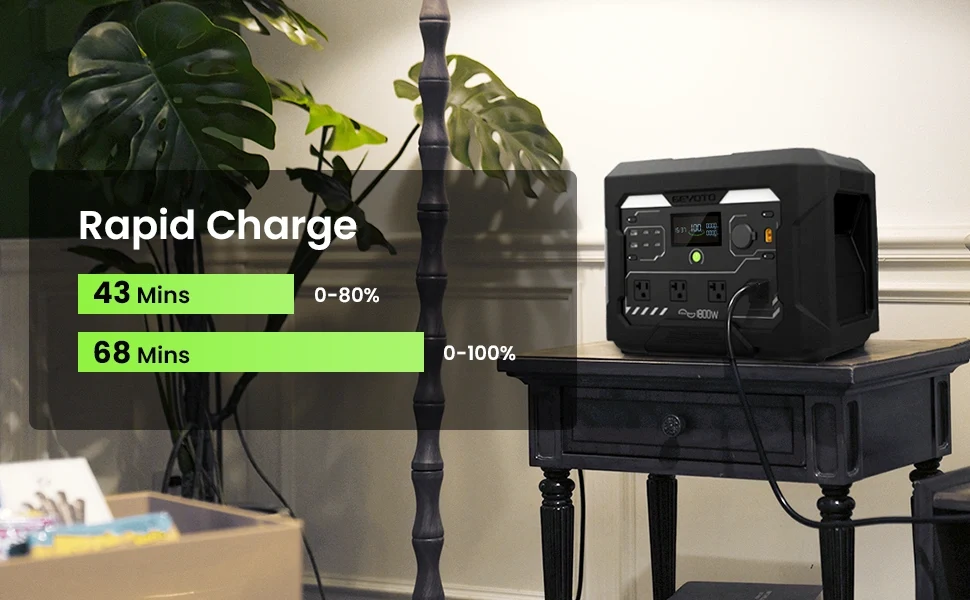
Recharge speed is another important consideration. A power station that takes many hours to recharge may not be practical during emergencies or extended trips. Fast charging technology allows users to restore battery levels quickly and continue using their equipment.
When comparing different models, charging flexibility and recharge time should be included among the portable power station specifications that matter.
Portability and Design Features
The main advantage of a portable power station is mobility, so size and weight play a major role in choosing the right product. A lightweight model is easier to carry during outdoor activities, while larger units may provide more power but become harder to transport.
A well-designed power station should include comfortable handles, durable construction, and organized ports. Some models feature protective designs that help resist dust, moisture, and impact, making them suitable for challenging environments.
The balance between portability and power capacity is important. A small unit may be perfect for weekend trips, while a larger model may be better for home backup during power outages.
Available Ports and Connectivity
The number and type of output ports determine how many devices you can power simultaneously. Common connections include AC outlets, USB ports, USB-C ports, and DC outputs.
USB-C ports with fast charging support are especially useful for modern electronics such as laptops, tablets, and smartphones. AC outlets allow users to operate standard household devices, while DC ports are often used for specialized equipment.
Some advanced portable power stations also include wireless charging pads, digital displays, mobile app connectivity, and remote monitoring features. These additions improve convenience and allow users to track battery status, power usage, and charging progress.
Safety Features and Protection Systems
Safety should never be overlooked when selecting a portable power station. High-quality models include built-in protection systems to prevent issues such as overcharging, overheating, short circuits, and excessive voltage.
Battery management systems help monitor temperature, energy flow, and battery health. These features improve reliability and reduce the risk of damage to both the power station and connected devices.
For emergency preparedness, safety features are especially important because the device may need to operate for extended periods without direct supervision.
Noise Level and Efficiency
Unlike traditional fuel-powered generators, portable power stations operate quietly. This makes them ideal for camping areas, indoor use during emergencies, and situations where noise reduction is important.
Energy efficiency also affects performance. A more efficient power station wastes less energy during charging and operation, allowing users to get more usable power from the stored battery capacity.
Evaluating efficiency ratings and power management features can help identify models that deliver better performance over time.
Choosing the Right Portable Power Station for Your Needs
The best portable power station depends on your personal requirements. Outdoor travelers may prioritize lightweight designs and solar compatibility, while homeowners may need higher capacity models for emergency backup.
Before purchasing, consider the devices you want to operate, how long you need power, how often you will use the unit, and whether you need additional features such as app control or multiple charging options.
Understanding the portable power station specifications that matter allows you to compare products more effectively and avoid choosing a model that does not meet your expectations. A carefully selected power station can provide dependable energy for adventures, emergencies, and everyday convenience.
As technology continues to improve, portable power stations are becoming more efficient, powerful, and accessible. By focusing on essential specifications rather than marketing claims, users can find a reliable energy solution that matches their lifestyle and power requirements.
