Range hoods are a crucial part of any kitchen, and their role goes beyond just removing smoke. A well-chosen range hood can significantly improve your kitchen environment by eliminating odors, reducing grease buildup, and keeping the air fresh. But with so many different styles, sizes, and functionalities, it can be challenging to know which range hood is right for your kitchen.
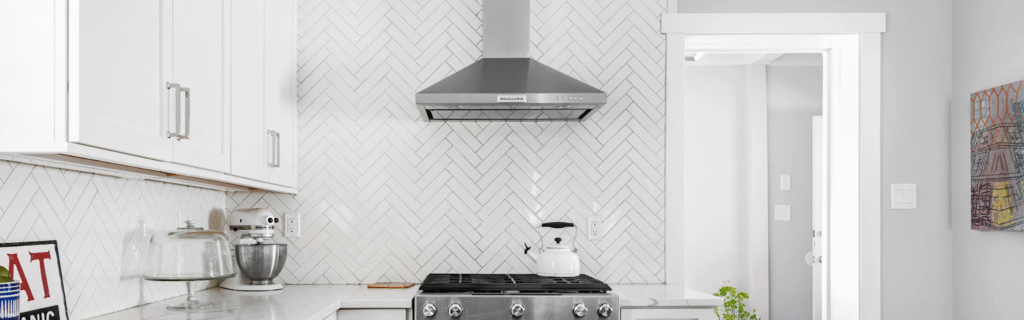
This guide will help you make an informed decision by exploring everything from the types of range hoods to the factors you should consider before buying one. Whether you’re renovating your kitchen or upgrading your ventilation system, understanding these elements is key to making the right choice.
1. What is a Range Hood and Why Do You Need One?
A range hood is an appliance that sits above your stove and works to vent smoke, steam, grease, and odors produced during cooking. Without a proper range hood, cooking can become a messy and uncomfortable experience, as these elements can fill your kitchen and even your entire home.
A hood kitchen range provides powerful airflow to capture and eliminate smoke and odors, improving your kitchen’s air quality. It also prevents grease and oil from settling on your kitchen surfaces, making it easier to clean and maintain your kitchen.
If you’ve ever cooked something at high heat and noticed that your kitchen quickly filled with smoke or smells that lingered long after cooking, then you already know the importance of having a range hood. It’s an essential kitchen tool that keeps your space clean and comfortable.
2. Different Types of Range Hoods
When choosing a range hood, the first thing to consider is the type that suits your kitchen layout. The right type will depend on whether you need external venting and the style you want for your kitchen. Below are the common types of range hoods:
- Wall-Mounted Range Hoods: These hoods are mounted on the wall above your stove, offering excellent performance in kitchens with an open layout. They are typically larger and more powerful, making them ideal for larger kitchens or heavy-duty cooking.
- Under-Cabinet Range Hoods: If your kitchen has overhead cabinets, an under-cabinet range hood fits neatly under the cabinets, saving space and maintaining a clean look. These models are suitable for smaller kitchens and provide excellent functionality without taking up much room.
- Island Range Hoods: For kitchens with an island or central cooktop, island range hoods are mounted on the ceiling, providing ventilation without taking up counter space. They are designed to look stylish while keeping the air clean.
For those who don’t have access to external venting, ductless range hoods offer an alternative. These hoods use carbon or charcoal filters to trap smoke, steam, and odors and recirculate the clean air back into the kitchen. Ductless range hoods are easy to install and are a great solution for apartment dwellers or those who don’t want to deal with the complexity of venting outside.
3. Considerations for Choosing the Right Range Hood
When shopping for a range hood, there are several factors to consider to ensure you select the right model for your kitchen.
- Size: The size of your range hood should be at least as wide as your cooktop, and sometimes a bit wider, to ensure it captures all the smoke and steam. If you have a larger stove or cooktop, you may need a larger range hood to match.
- Power: The power of a range hood is measured in CFM (cubic feet per minute). The higher the CFM, the more powerful the range hood will be. For heavy cooking like frying and grilling, a high CFM range hood is essential to keep up with the smoke and grease. If your kitchen is on the smaller side or you mostly do lighter cooking, a lower CFM will suffice.
- Noise Level: Nobody likes a noisy range hood. Fortunately, modern models are designed to operate quietly while still providing powerful ventilation. Look for range hoods with noise-reducing features if you want a quieter cooking experience.
4. Design Considerations – Style and Functionality
The design of your range hood should fit seamlessly with your kitchen’s aesthetic. A range hood can be a statement piece, but it must also serve its purpose efficiently. A black range hood is an excellent choice if you want something that stands out while complementing your kitchen’s decor. Black hoods provide a sleek, modern look and work well with a variety of kitchen styles, from contemporary to industrial.
Black is also a practical color choice because it hides fingerprints and grease marks better than lighter-colored models, making it easier to keep clean. Additionally, the design of a black range hood is versatile enough to complement both dark and light cabinetry.
If you prefer a minimalist look, a hood kitchen range with a clean, simple design may suit your kitchen best. Sleek stainless steel models fit effortlessly into modern kitchens and provide both functionality and style.
5. Performance Features to Look For
In addition to style, performance is crucial when selecting a range hood. Look for models that offer features designed to improve efficiency:
- Variable Fan Speed: Some models allow you to adjust the fan speed based on the cooking task at hand. For instance, a higher fan speed can be used for heavy cooking like grilling or frying, while a lower speed is more than enough for simmering and boiling.
- Energy Efficiency: Many modern range hoods are designed to be energy-efficient, saving you money on electricity bills while maintaining optimal performance. Look for energy-efficient models that use less power while still providing strong airflow.
- Easy Maintenance: Opt for a range hood with removable, dishwasher-safe filters for easy cleaning. This feature can make a big difference in the long-term upkeep of your range hood, ensuring that it performs efficiently for years.
6. Maintenance Tips for Longevity
To keep your range hood functioning properly, regular maintenance is essential. The grease filters should be cleaned monthly, especially if you cook frequently. Depending on the model, some filters can be washed in the dishwasher, while others need to be cleaned manually. For ductless range hoods, remember to replace the charcoal filters every 3-6 months to keep the air quality in your kitchen at its best.
For ducted systems, check the ducts periodically to ensure there’s no buildup of grease or debris that could reduce airflow. Keeping your range hood clean and well-maintained will not only improve its performance but also prolong its lifespan.
7. Final Thoughts on Choosing the Perfect Range Hood
Selecting the right range hood is an investment in both the functionality and design of your kitchen. Whether you prefer the power and performance of a hood kitchen range, the flexibility and ease of ductless range hoods, or the stylish, sophisticated design of a black range hood, the right choice will improve the air quality and overall experience in your kitchen.
By considering factors such as size, power, design, and maintenance, you can choose the range hood that best meets your needs. With the right range hood, your kitchen will remain clean, fresh, and comfortable for years to come.
